Building products: the PM's "plan before you move" vs. the indie hacker's "speed is everything"
The PM's "plan before you move" versus the indie hacker's "speed is everything" — as AI makes creation easier than ever, how do we find our own path between these two philosophies.
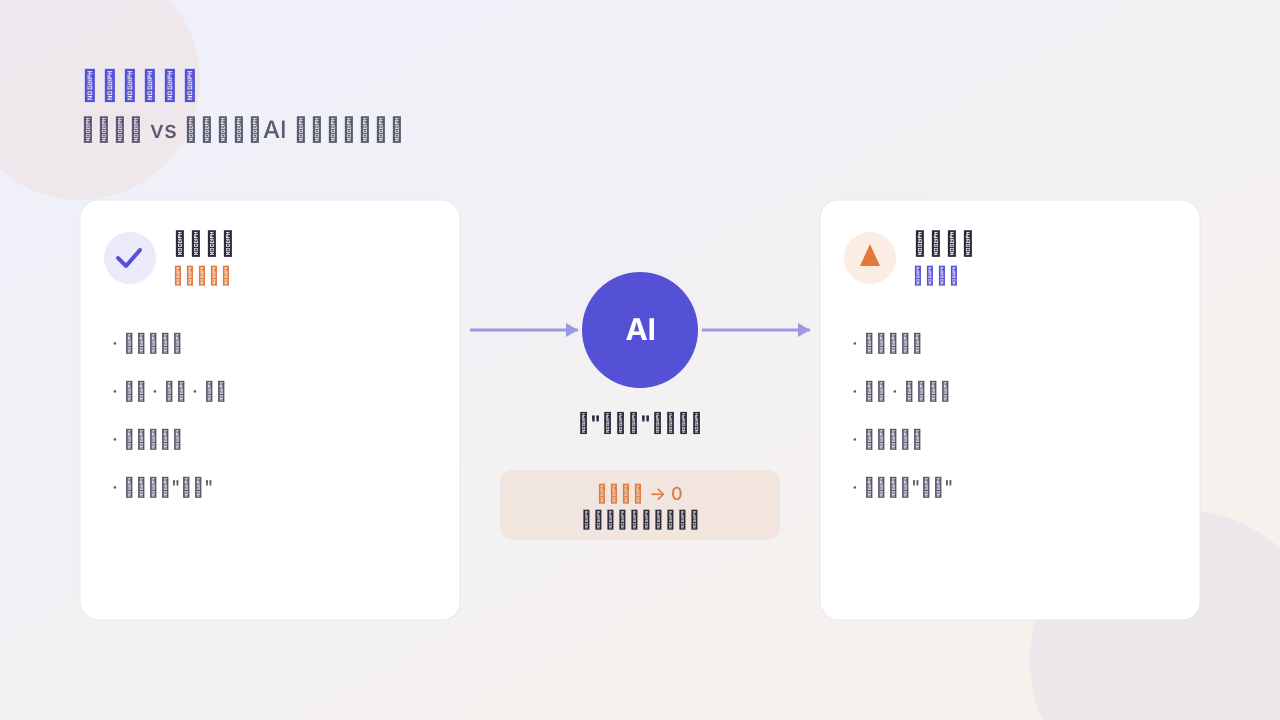
These two philosophies look contradictory, but they actually optimize for different things.
The essence of the two paths
| PM-style | Indie-hacker-style | |
|---|---|---|
| Core action | think it through before doing | build it first, see later |
| Risk source | thinking wrong | moving too slow |
| Validation | research, data, review | ship, watch real feedback |
| Time scale | months | days |
| Error-tolerance assumption | change cost is high | change cost is low |
The key is the last row. “Plan before you move” holds because in the past, reworking a product version was expensive — it needed scheduling, development, testing, release. Since change is costly, get it right in one pass.
The indie hacker’s premise is: changing a feature may take only twenty minutes. Since change is cheap, fail fast.
Which variable AI changed
AI didn’t make “thinking it through” less important; it made the cost of “building it” drop sharply.
This change brings a counterintuitive consequence:
When implementation cost approaches zero, judgment becomes the only scarce resource.
Before: “no need to think clearly, building is slow anyway, think while building.” Now: “building is too fast; if you haven’t thought clearly, you’ll quickly build a pile of useless stuff.”
The actual approach
Not either/or, but layered:
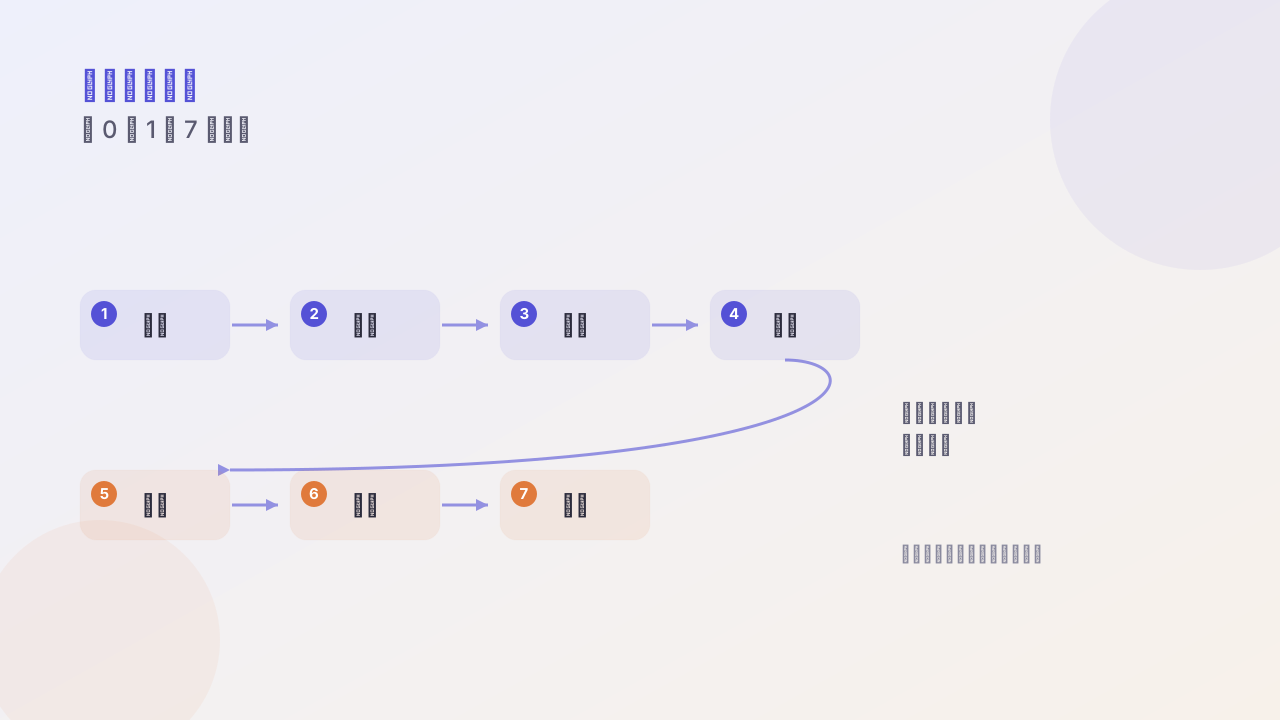
Strategy layer: plan before you move
- Whose problem does this product solve
- Where’s the differentiation
- How do I intend to reach users
- Under what conditions will I quit
These four questions are worth two weeks to think through, and write them down. They don’t change often, but once wrong, all later execution is negative work.
Tactics layer: speed is everything
- How to write the above-the-fold copy
- Where to put this feature
- Which price tier to test
All tried quickly. Get a result within a day and change it; no arguing.
The criterion
Ask yourself one question: how costly will it be to change this decision a week from now?
- Costly → spend time thinking
- Cheap → do it immediately
That simple.
Advice for indie developers
- Strategy layer uses pen and paper, tactics layer uses code: don’t use busyness to hide not having thought clearly
- Write it down: a strategy not written down is no strategy
- Set quit conditions: decide in advance “how far I’ll go before stopping” — more useful than agonizing afterward
- Beware “quickly building many small things”: that may just be avoiding making the hard decision
Closing
“Speed is everything” presumes the direction is roughly right. “Plan before you move” presumes change is genuinely expensive.
When AI overturned the latter, the value of the former was amplified. In this era, the scarcest thing is not people who can build things, but people who know what to build.
Follow me