Agents that execute code need isolation, but isolation costs overhead. This breaks down six sandboxing approaches — containers, gVisor, Firecracker, ZeroBoot, Apple container, and Wasm — so you can pick the right trade-off for your threat model.

#Agent
Total 6 posts
When an agent takes on a task like "help me make a market-research report," the hard part isn't execution but decomposing the task and managing state. This records how I used langchain4j to implement a task tree, dependency checks, retries, and reasoning traces.
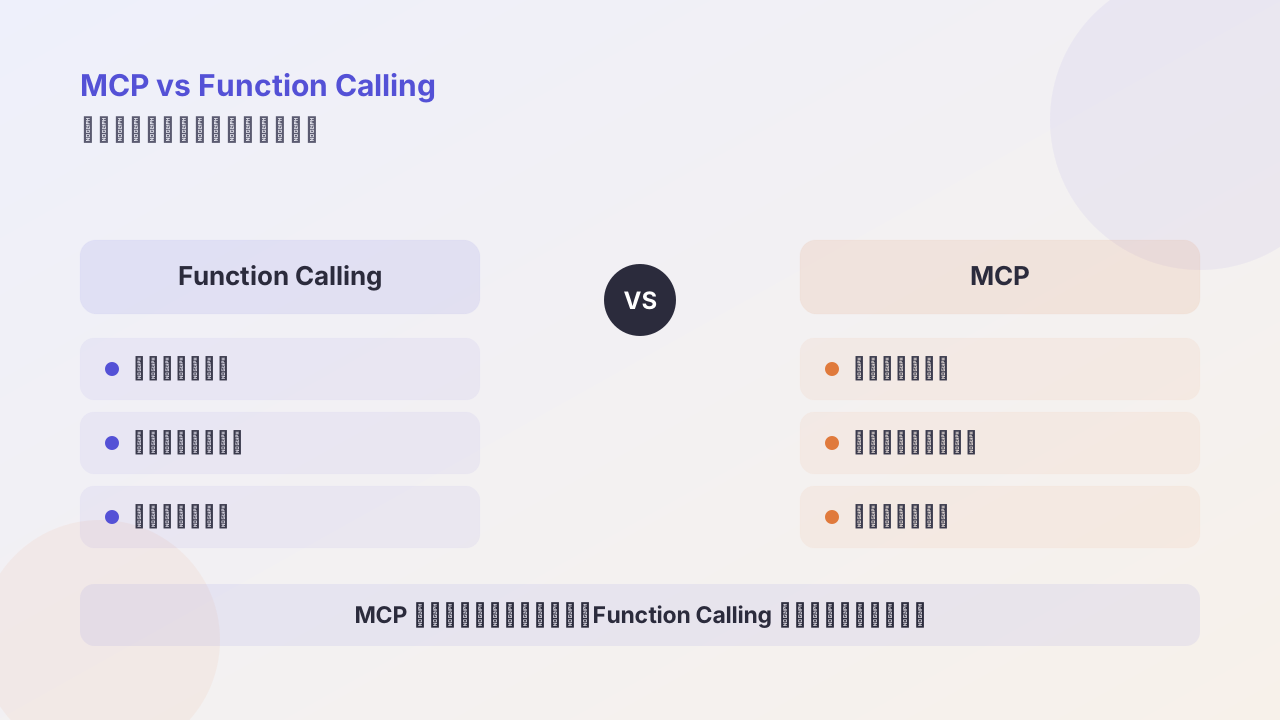
A commonly conflated concept: Function Calling is a capability of the model itself, MCP is the protocol connecting model and tools. Clarifies their real differences in tool discovery, security boundary, and portability, and how Spring AI unifies the two.
Agent Skills package domain know-how and workflows into a folder an agent can load on demand. This explains how the three-layer progressive disclosure works, how code execution fits in, and how Skills differ from MCP and multi-agent architectures.
Once an agent can execute code, it can do everything a programmer sitting in front of a terminal can. Break down the trade-offs among Docker, gVisor, Firecracker, and Wasm sandboxing approaches.
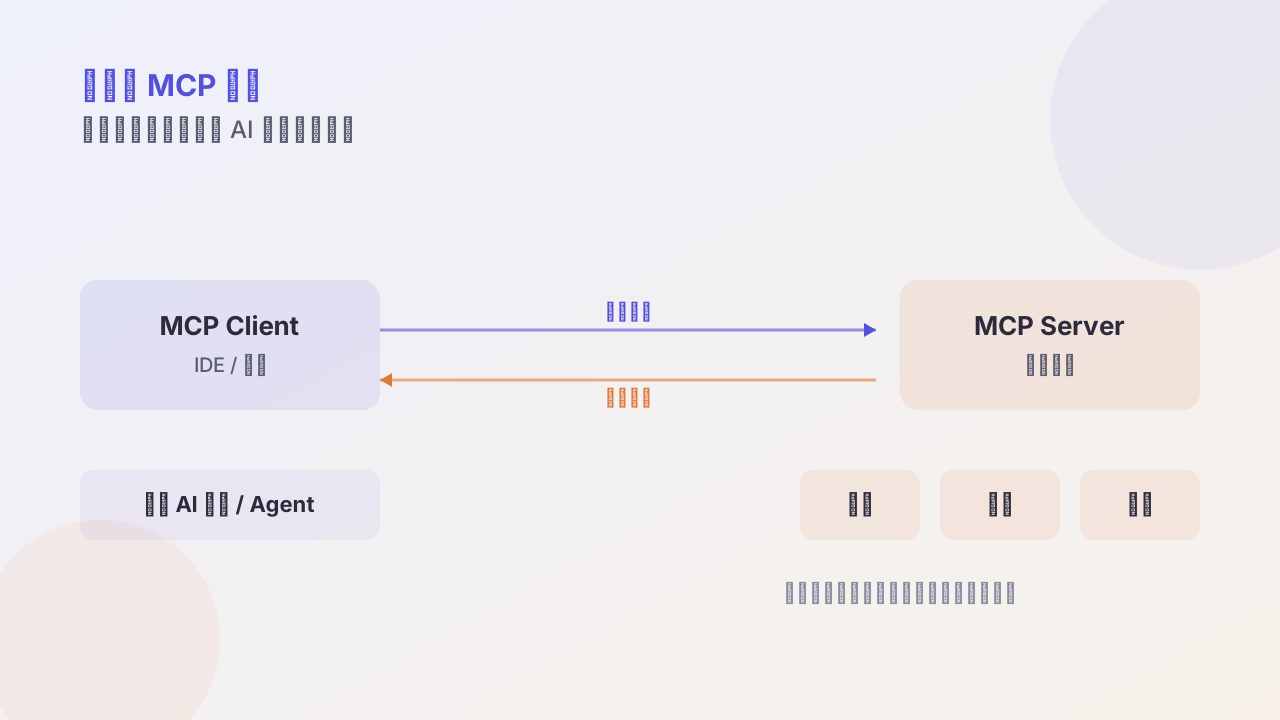
The core of MCP is standardizing your capabilities into tools AI can understand. This walks the full flow — from writing your first tool, to deploying it as a network service that other people and other AIs can call.