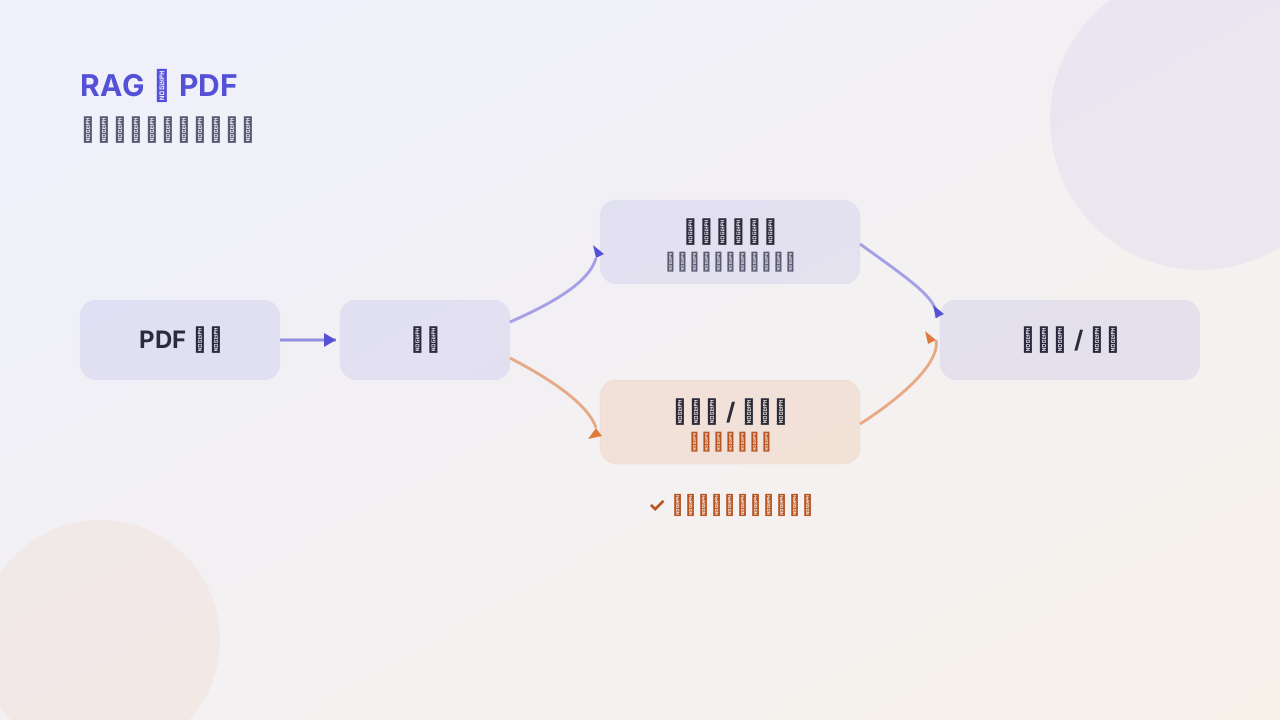
The first decision in RAG isn't picking a vector DB, it's what you store after chunking the PDF. Full-text ingestion and structured extraction are two completely different paths; data from a medical scenario makes this very clear.
Once an agent can execute code, it can do everything a programmer sitting in front of a terminal can. Break down the trade-offs among Docker, gVisor, Firecracker, and Wasm sandboxing approaches.
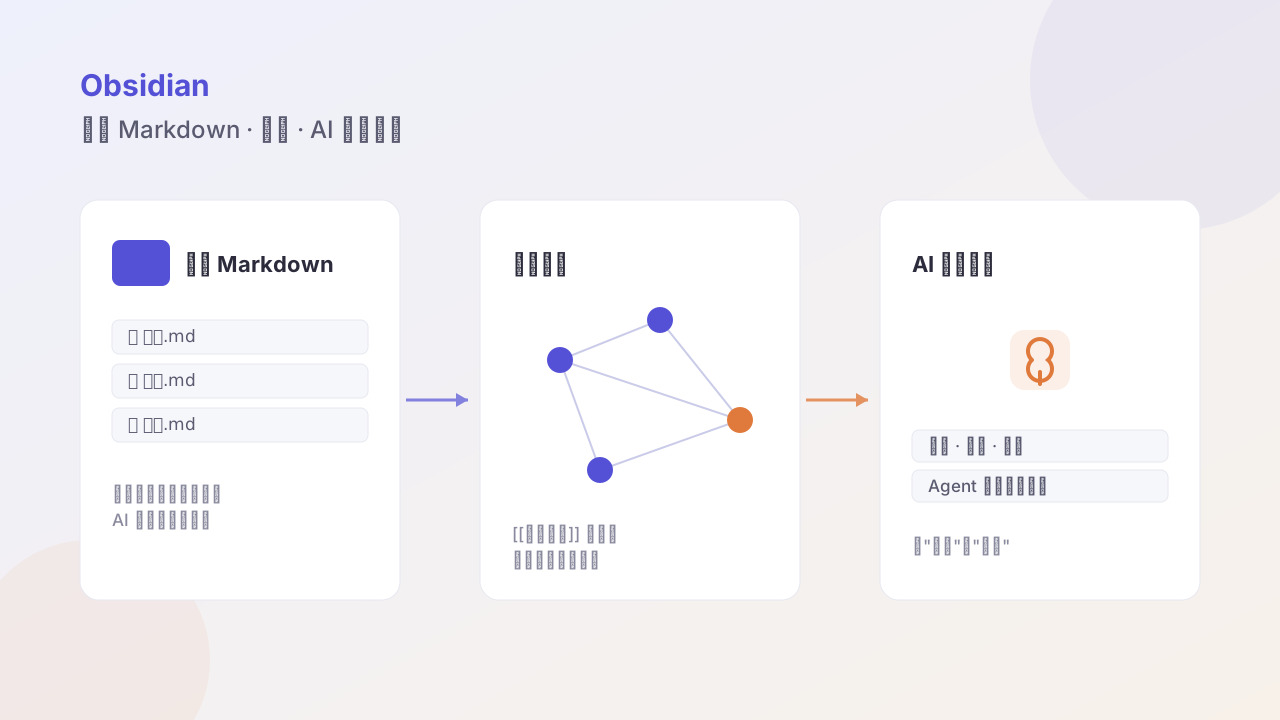
From three angles — local Markdown, bi-directional links, and an AI knowledge base — explains how Obsidian differs from traditional note tools and VS Code, and with real scenarios of Web Clipper, ChatGPT, and Codex, helps you judge whether it fits you.
Using the open-source project Horizon plus GitHub Actions' free tier, automatically scrape Hacker News, Reddit, and major official blogs every day; after AI scoring and filtering, generate a daily brief pushed to Feishu. Completely free.
Explains how Chat, Work, and Codex differ across positioning, entry point, execution environment, context, and deliverables, and gives a selection method from problem exploration to agent execution.
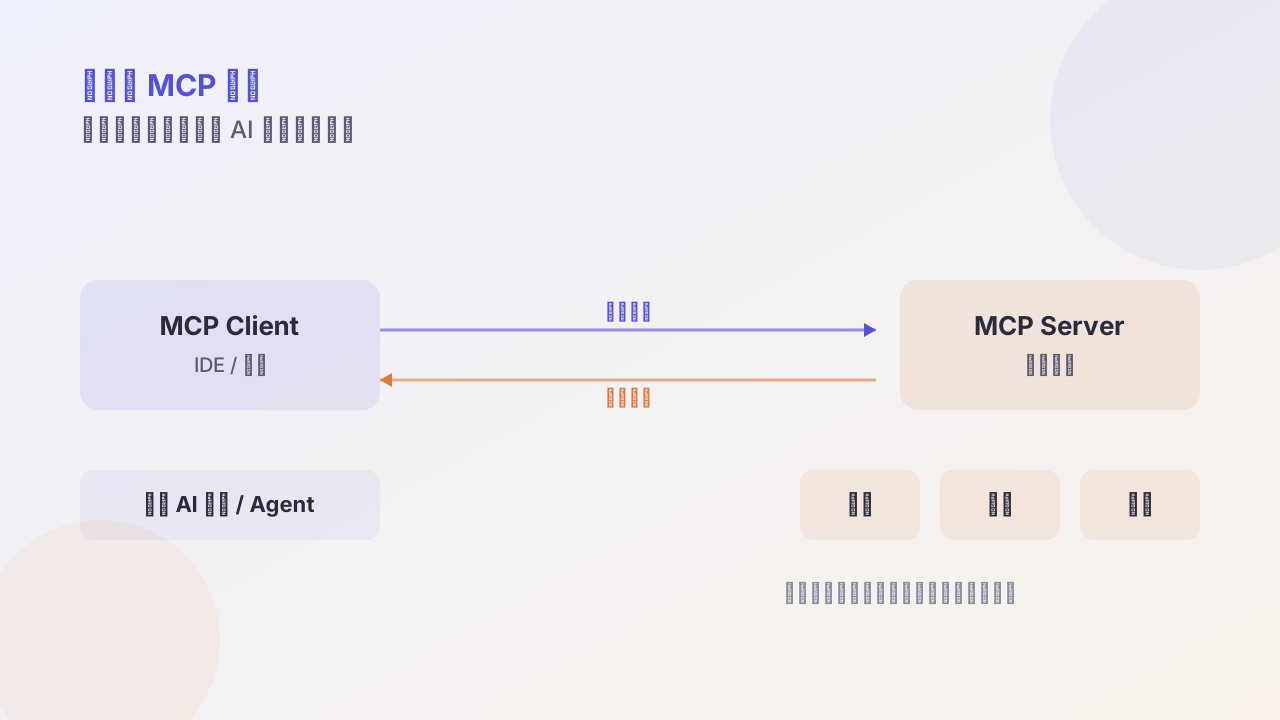
The core of MCP is standardizing your capabilities into tools AI can understand. This walks the full flow — from writing your first tool, to deploying it as a network service that other people and other AIs can call.
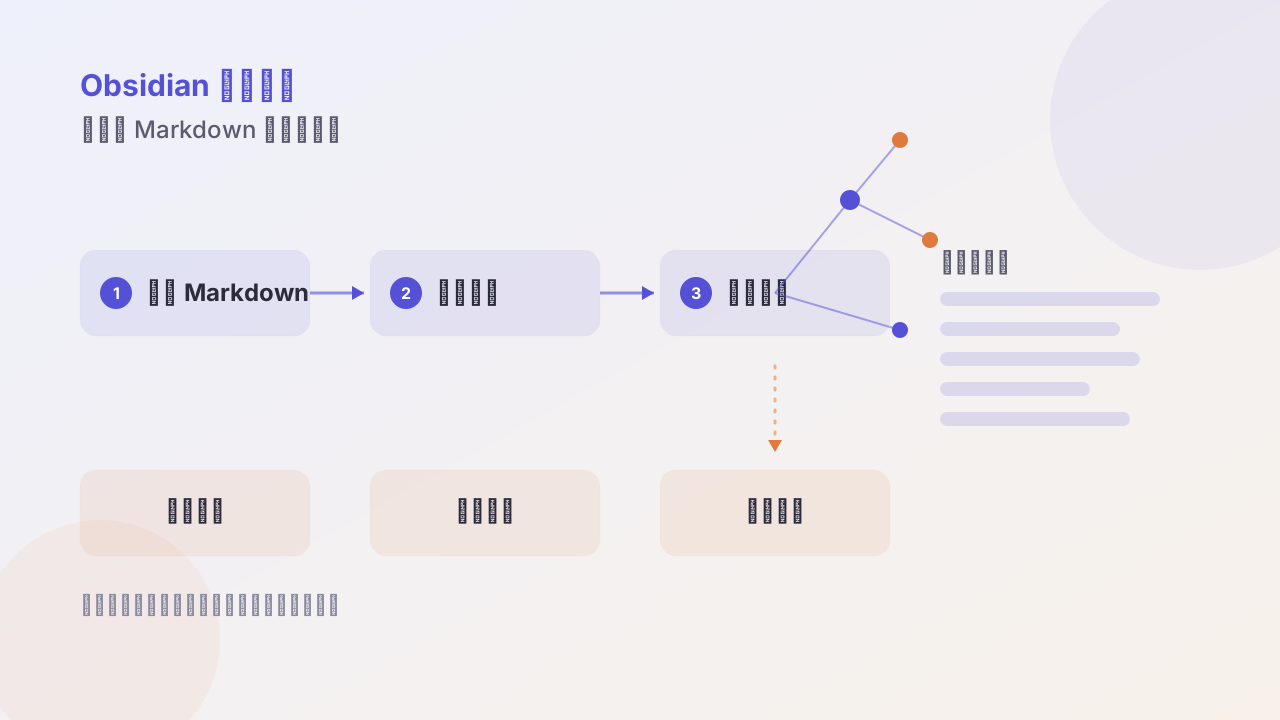
Set up an AI knowledge base in Obsidian that can run first — organize a local Markdown vault, connect via a CLI agent, then validate the loop with two scenarios — accumulating materials and advancing projects.
Written for Obsidian newcomers; covers vault, local Markdown, bi-directional links, attachments, plugins, and common shortcuts. Less syntax memorization, less config fiddling — first get a personal knowledge base that can accumulate for the long term.